More Than Just a Café Name
If you’ve wandered through Seoul’s trendy neighborhoods, you’ve probably spotted signs for “foot spa cafes” or “wellness cafes” tucked between coffee shops and boutiques. Walk in, and you’ll find people chatting over tea with their feet submerged in warm, herb-infused water.
This is jogyok (족욕)—and it’s not some new wellness fad. The word itself breaks down simply: jok (足) means “foot,” and yok (浴) means “bath.” But what looks like a simple foot soak carries centuries of Korean medical wisdom behind it.
The Philosophy: Cool Head, Warm Feet
There’s a saying in Traditional Korean Medicine: “Cool head, warm feet” (두한족열, 頭寒足熱). The idea is straightforward—when your head stays cool and your feet stay warm, your body finds balance.
Here’s why it works: Heat naturally rises. When we’re stressed or sedentary, warmth tends to accumulate in our upper body, leaving our extremities cold. The result? Tension headaches, restless sleep, cold hands and feet, and that general feeling of being “off.”
Warming your feet reverses this pattern. It draws circulation downward, releases tension from your shoulders and neck, and signals your nervous system to relax. The 17th-century medical text Donguibogam—now a UNESCO Memory of the World—prescribed foot bathing as a way to restore this natural balance.
This isn’t folk wisdom dressed up as medicine. It’s a principle that Korean physicians have refined over four centuries.
How Korean Jogyok Differs from Japanese Ashiyu
If you’ve visited Japan’s hot spring towns, you’ve likely encountered ashiyu—public foot baths where travelers rest their feet in naturally heated spring water. Both traditions involve soaking your feet in warm water. But the experience couldn’t be more different.
Japanese Ashiyu:
- Found in hot spring (onsen) towns, often outdoors
- Uses naturally heated mineral spring water
- Quiet, contemplative atmosphere
- Usually free and open to the public
- A pause during sightseeing—typically 10-15 minutes
Korean Jogyok:
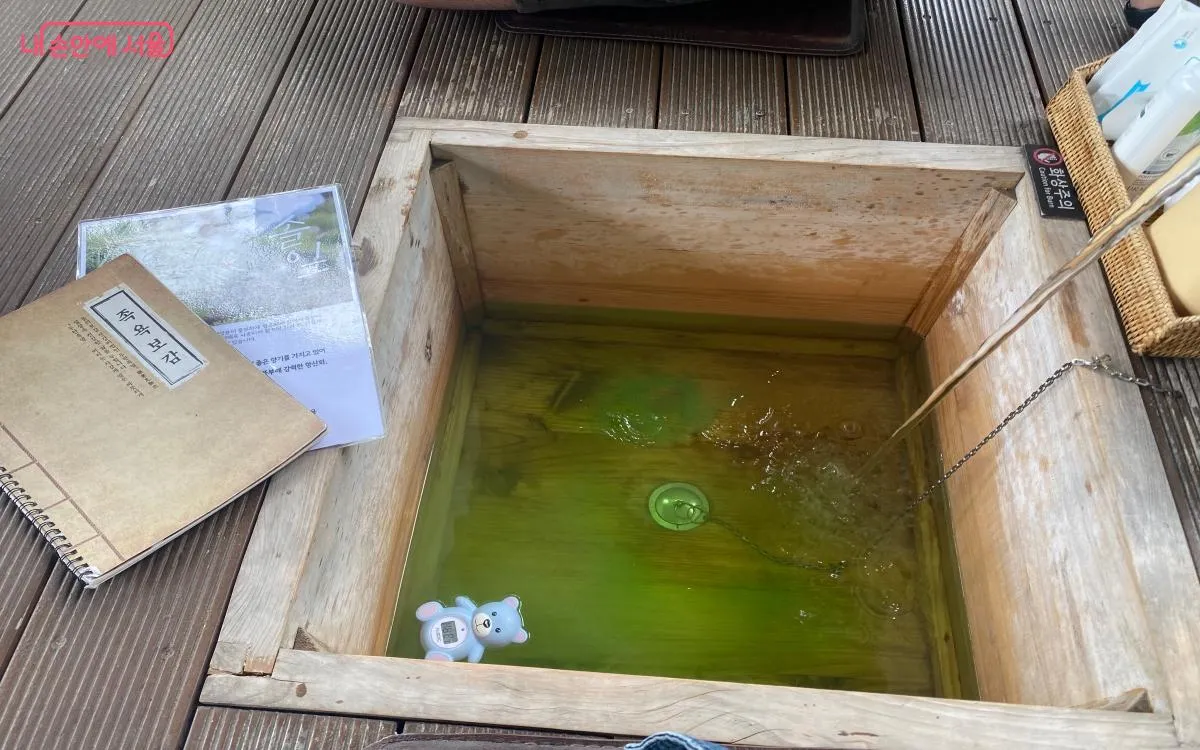
- Found in cafes, jjimjilbang (Korean spas), and wellness centers
- Uses heated water infused with hanbang (traditional Korean herbal medicine)
- Social, relaxed atmosphere—chatting with friends over tea or sikhye (sweet rice drink)
- Part of a longer self-care ritual—often 20-30 minutes or more
- Frequently combined with massage tools and foot care
The key difference? In Korea, jogyok is rarely a solitary experience. It’s something you do with friends after a long day of shopping, or with family at a jjimjilbang. There’s conversation, laughter, and usually snacks involved.
Where to Experience Jogyok in Korea
If you’re visiting Korea, here are a few places to try authentic jogyok:
Tea Therapy (Bukchon, Seoul) Located along the scenic Bukchon walking path near ancient palaces, this hanok-style café offers foot soaks paired with traditional Korean tea. A foot soak session costs around ₩8,000-10,000, or more with tea and lunch sets. Menus are available in English, Chinese, and Japanese.
Seoul Yangnyeongsi Herb Medicine Museum On the second-floor terrace, you can soak your feet in medicinal herb-infused water for ₩6,000. Only four sessions per day (Tuesday-Sunday, closed Mondays), so arrive early.
Jjimjilbang (Korean Spas) Major facilities like Spa Land Centum City in Busan or Aquafield in Goyang/Hanam often have dedicated foot soak areas alongside their saunas and baths. Entry fees for premium facilities like Spa Land range from ₩23,000-26,000 for 4 hours, but include access to all facilities—well worth it for the quality.
Public Parks (The “Earthing” Trend) Recently, a barefoot walking (or “Earthing”) trend has swept across Korea. Many public parks—including those at Namsan Mountain and Seoul Forest—have built red clay paths designed for walking barefoot. At the end of these paths, you’ll often find public foot washing stations where locals gather to rinse and soothe their feet after a walk. It’s completely free and a very local way to experience the culture.
How to Create a Korean Foot Soak at Home
You don’t need to fly to Seoul to experience jogyok. Here’s how to recreate the ritual at home:
What You’ll Need:
- A basin or foot tub large enough to cover your ankles
- Warm water (38-40°C / 100-104°F)—hot enough to feel soothing, not scalding
- A towel
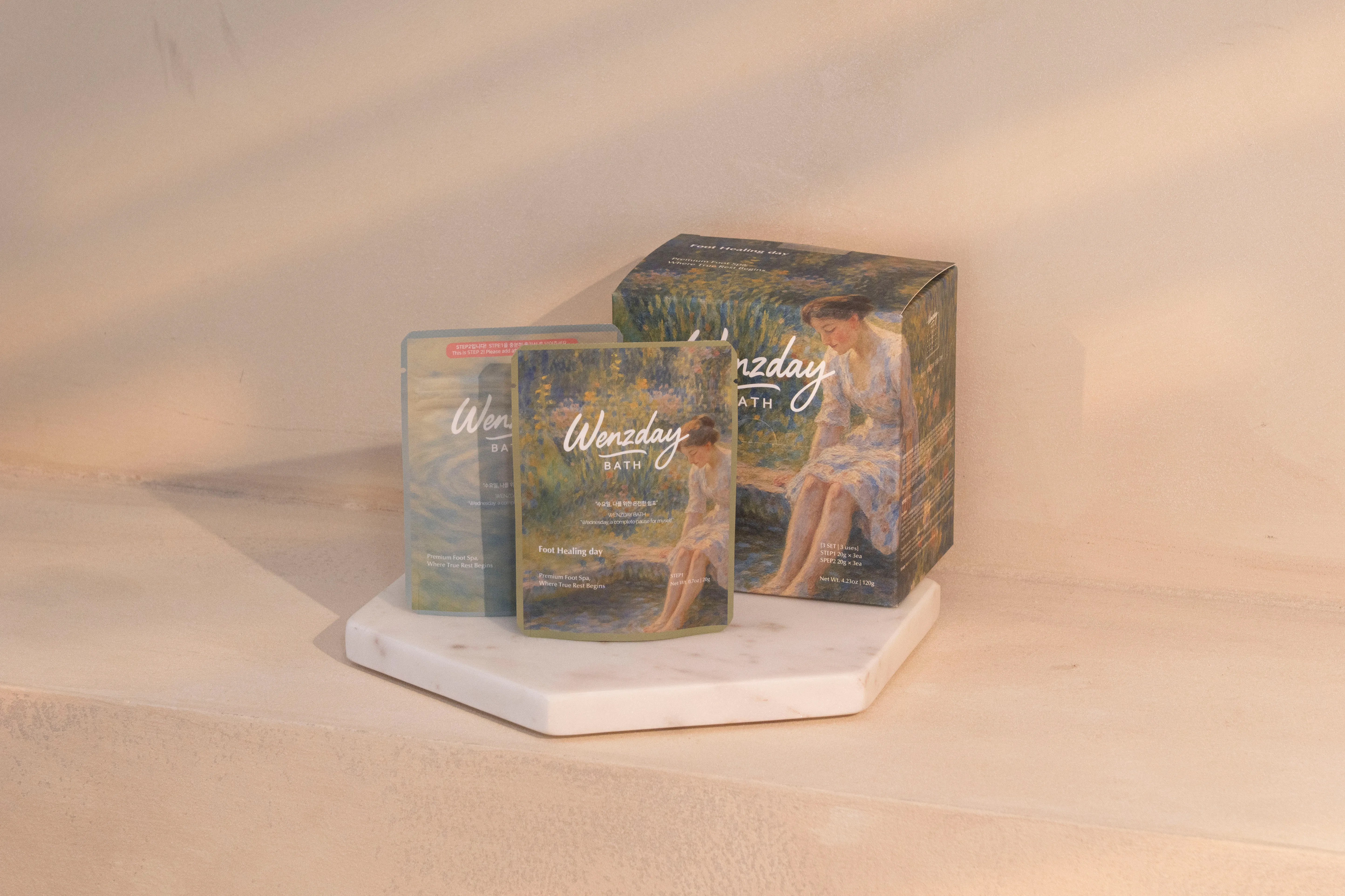
- Optional: Korean herbal ingredients or a foot soak product
The Process:
- Fill your basin with warm water
- Add your chosen herbs or foot soak
- Submerge your feet and relax for 15-20 minutes
- You’ll know it’s working when you start to feel warmth spreading through your body
- Pat your feet completely dry when finished
- Important: Put on socks immediately after—this keeps the warmth from escaping
Note: If you are pregnant or have diabetes (which can affect temperature sensitivity in the feet), please consult with a healthcare professional before doing hot foot soaks. Stick to warm water rather than hot.
Traditional Korean Herbs to Try:
Korean jogyok often incorporates hanbang ingredients. Here are some you might recognize:
- Mugwort (쑥, ssuk): Warming and circulation-boosting. A staple in Korean wellness.
- Cnidium (천궁, cheongung): Known as the “herb that moves blood.” Traditionally used for cold extremities and tension headaches.
- Ginseng (인삼, insam): The famous Korean root. Revitalizing and restorative.
- Peony root (작약, jakyak): Soothing and relaxing. Often used to ease muscle tension.
The Modern Evolution: From Hot Water to Slush Gel
There’s one challenge with traditional foot soaks that anyone who’s tried them knows well: the water cools down fast.
You fill your basin with perfectly warm water, settle in, check your phone for a few minutes… and suddenly you’re sitting in lukewarm water. The relaxation window is frustratingly short.
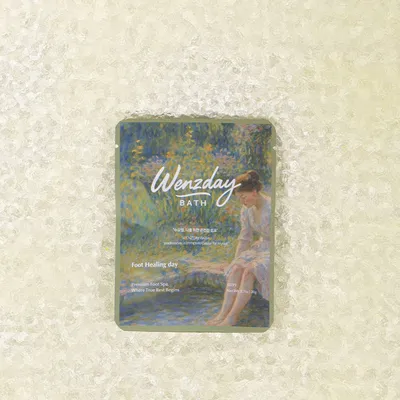
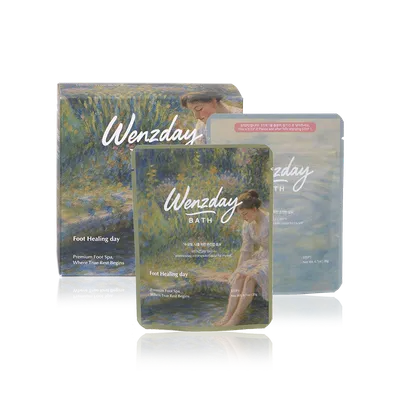
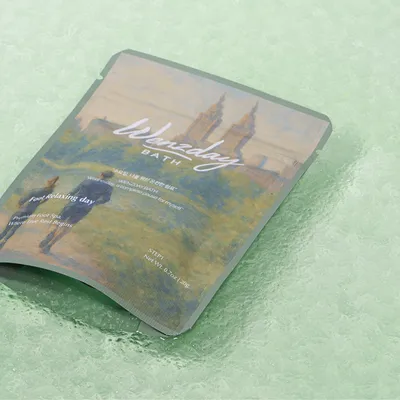
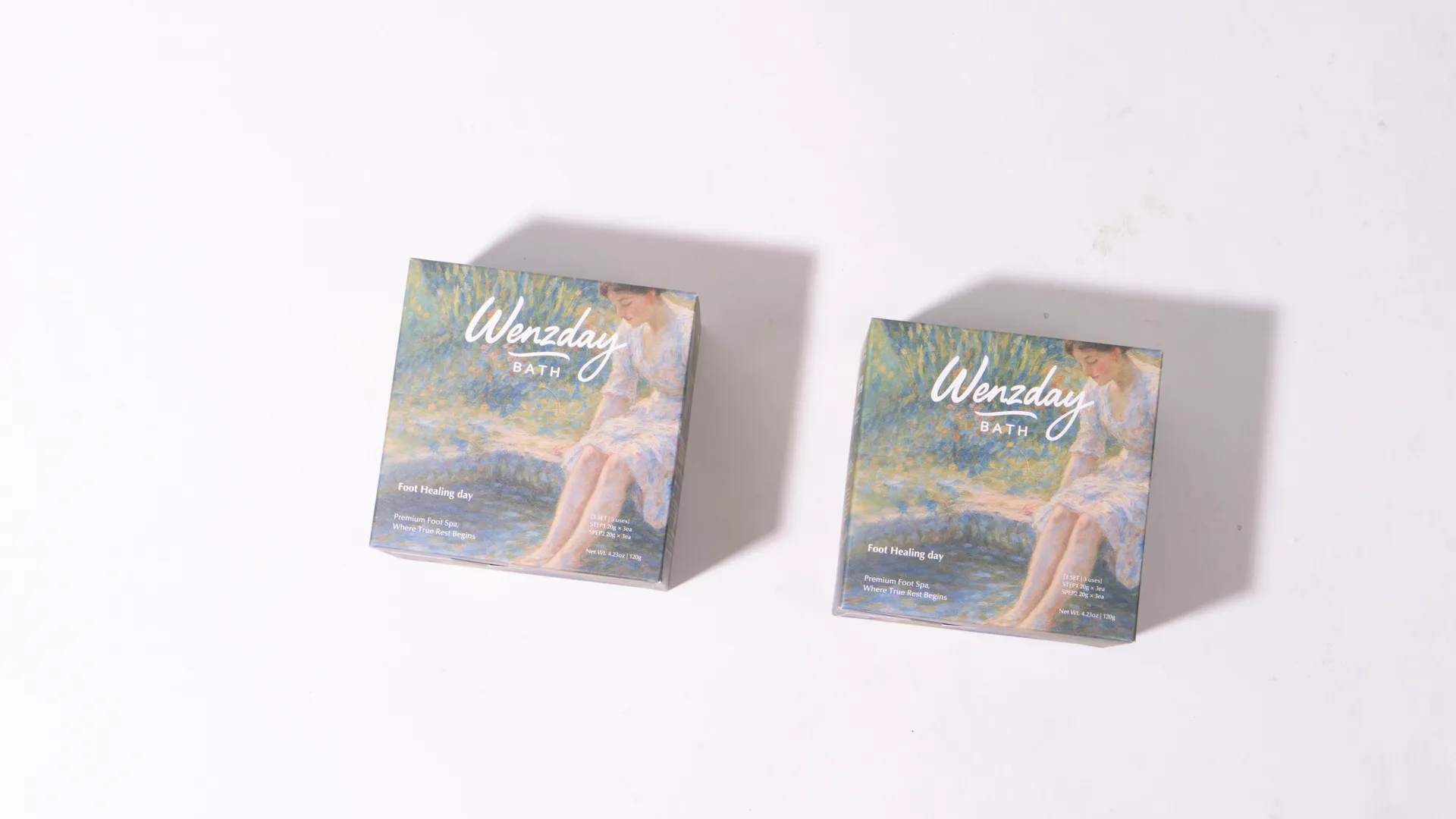
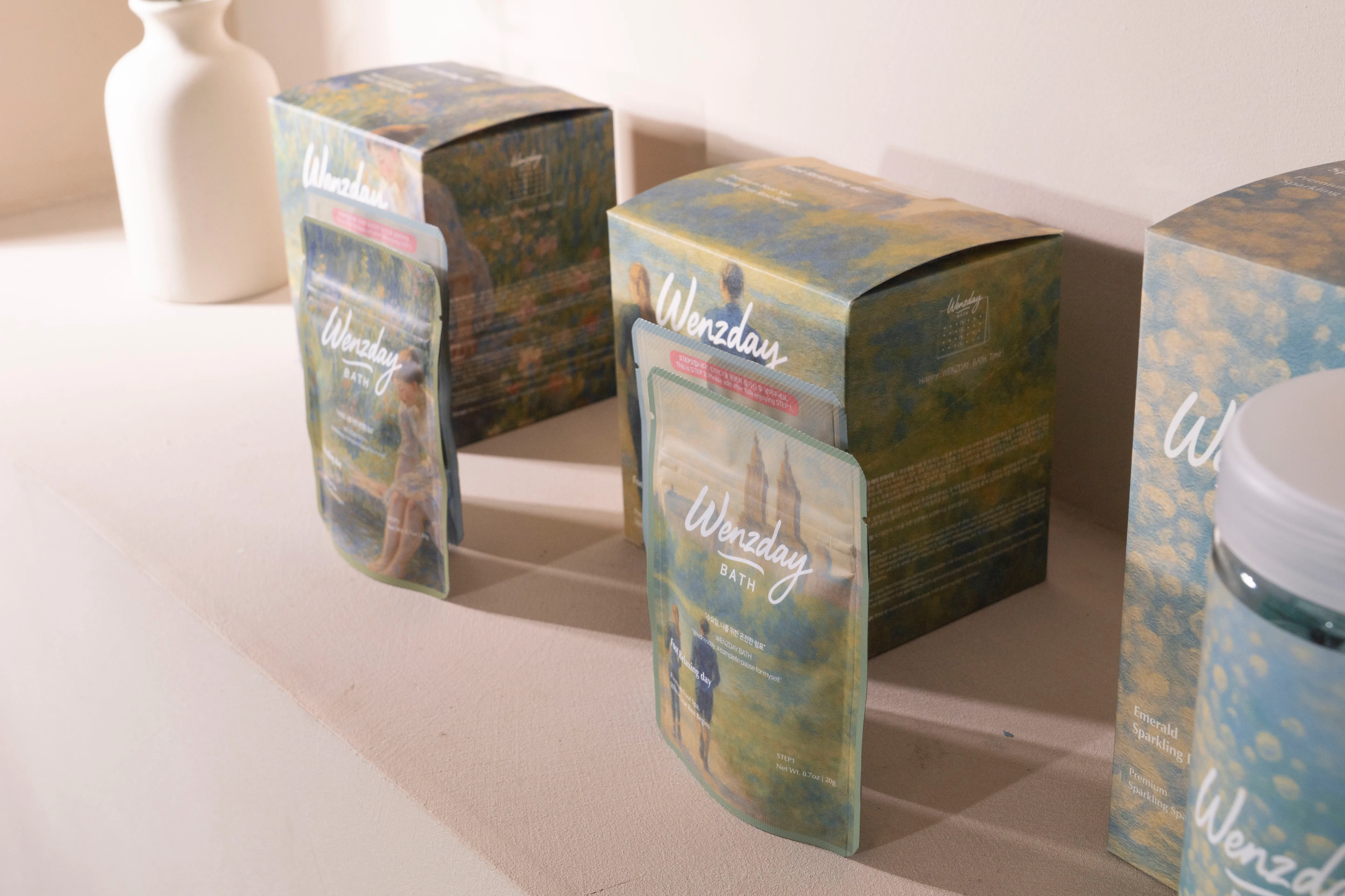
This is why modern Korean wellness brands like Over the Wenzday have developed new formats. Instead of dissolving salts or herbs in water (which loses heat quickly), newer products use gel-based formulas that retain warmth significantly longer—sometimes 15-20 minutes of consistent temperature.
These innovations keep the hanbang philosophy intact while solving the practical problem that’s frustrated foot soak enthusiasts for generations.
The Benefits: What to Expect
Regular foot soaking, especially with warming herbs, can help with:
- Improved circulation — Warmth dilates blood vessels, improving blood flow to extremities
- Better sleep — The “cool head, warm feet” principle helps your body prepare for rest
- Reduced tension — Drawing circulation downward can relieve neck and shoulder tightness
- Stress relief — The ritual itself—warm water, pleasant scents, quiet time—activates your parasympathetic nervous system
- Softer feet — Extended soaking naturally softens calluses and dry skin
The effects are often noticeable immediately: a sense of calm, warmth spreading through your body, and that pleasant heaviness that comes before restful sleep.
A 400-Year-Old Ritual for Modern Life
In a world of complicated wellness trends and expensive treatments, jogyok stands out for its simplicity. Warm water. Healing herbs. Fifteen minutes of stillness.
It’s the same practice Korean physicians prescribed four centuries ago, adapted for modern life. Whether you experience it in a Seoul café, a jjimjilbang, or your own bathroom, the principle remains unchanged: warm your feet, calm your mind, restore your balance.
Tonight, try giving your feet fifteen minutes of attention. You might be surprised how much your whole body thanks you for it.
Curious about the Korean medical text behind these traditions? Read our guide to Donguibogam: The Korean Medical Classic Behind Hanbang.