The Viral Claim

“If you soak your feet in a vinegar solution, even just once a week… You’ll see all your ailments disappear.”
This TikTok video has racked up over 47,000 likes, 21,000 saves, and more than 1,200 comments. The creator, wearing a white coat and stethoscope, claims that vinegar foot soaks can cure everything from skin problems and nail fungus to anxiety and insomnia.
The reasoning? “Millions of nerve endings pass through the feet. Everything absorbed through the skin enters the lymph system.”
Sounds convincing. But is it true?
A look at the comments tells a different story. Users are debating the science, sharing mixed results, and some report skin irritation. One highly-liked comment even noted that AI fact-checkers flagged most of these claims as unsupported.
Let’s separate what actually works from what doesn’t.
What Vinegar Can (and Can’t) Do
To be fair, vinegar foot soaks aren’t completely useless. But they’re not miracle cures either.
What vinegar actually helps with:
- Foot odor — Vinegar’s acidity can kill odor-causing bacteria. This one’s real.
- Mild antifungal effects — Studies suggest vinegar may help prevent nail fungus, though it can’t cure an existing infection.
- Softening calluses — The acid can help soften rough skin when combined with soaking.
What lacks scientific support:
- Lymphatic detox — There’s no evidence that substances absorbed through foot skin meaningfully enter or “cleanse” your lymphatic system.
- Curing insomnia or anxiety — No clinical studies support this claim for vinegar foot soaks.
- Healing skin problems — Vinegar is acidic and can actually irritate sensitive skin. Some users in the comments reported stinging and rawness.
The bottom line: Vinegar foot soaks can help with odor and may offer mild antifungal benefits. Everything else? Marketing, not medicine.
What Science Actually Says About Foot Soaks
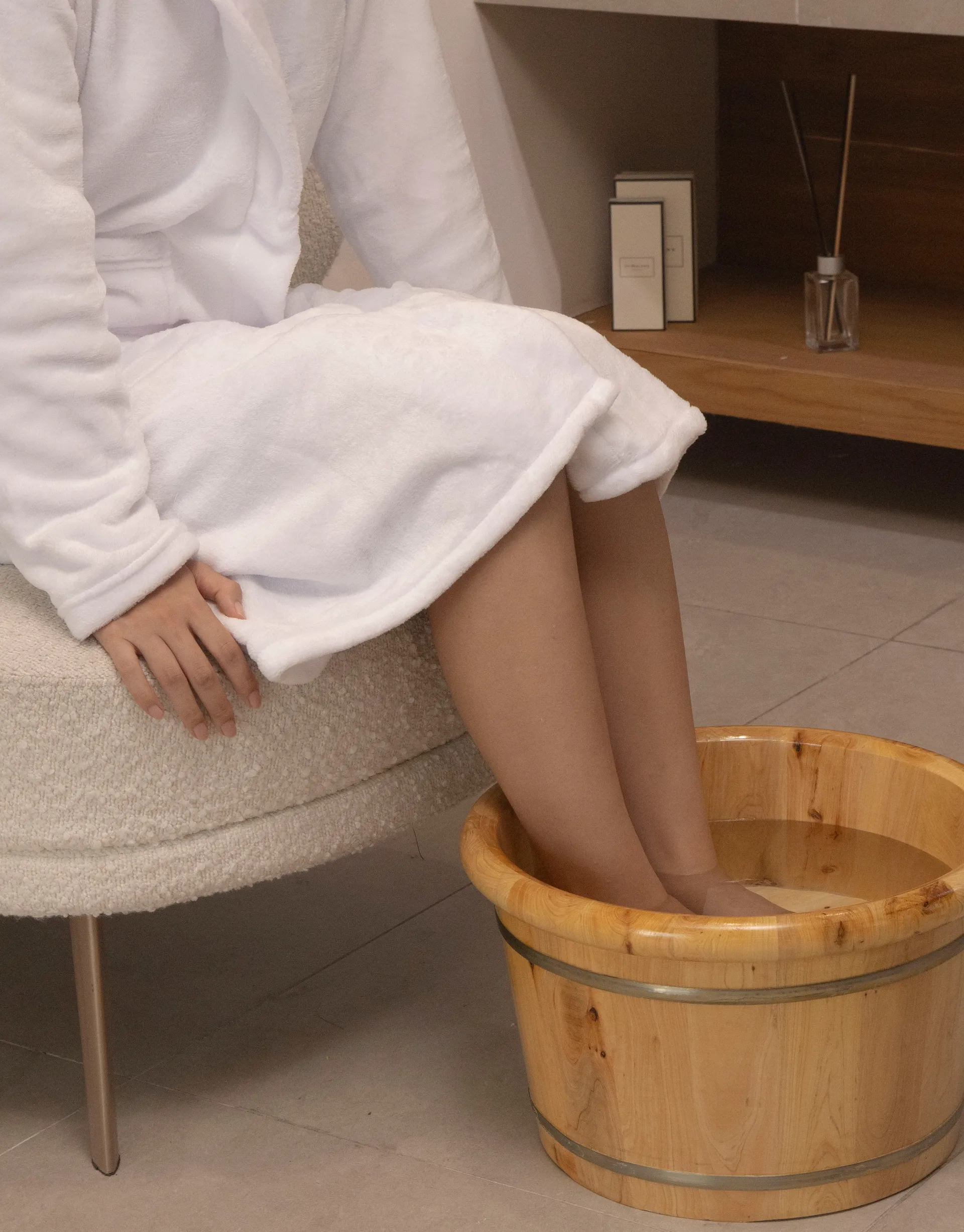
Here’s what’s interesting: foot soaks can genuinely improve your health—but the magic isn’t in the vinegar.
A 2024 research review in BMC Geriatrics found that warm foot baths significantly improve sleep quality. The key factor? Temperature, not ingredients.
Water at approximately 40°C (104°F) triggers a specific physiological response:
- Vasodilation — Blood vessels in your feet expand
- Heat Dissipation — Heat escapes from your core through your extremities
- Core Temperature Drop — This signals your brain it’s time for sleep
In 80% of studies reviewed, foot baths at 40°C or higher improved sleep outcomes. The mechanism is simple: your body needs to cool down to fall asleep, and warming your extremities accelerates this process.
Duration matters too. Brief soaks don’t produce the same effect. Research suggests 15-20 minutes is optimal for triggering the thermal regulation response.
So if you want a foot soak that actually improves your sleep and relaxation, focus on:
- Warm water (around 40°C)
- Adequate time (15-20 minutes)
- Maintaining that warmth throughout
The Problem with Standard Soaks
This is where traditional salt-based soaks fall short. Salt dissolves quickly, and water loses heat fast. Within 5 minutes, you’re sitting in lukewarm water.
The Korean Herbal Approach
For centuries, Korean medicine has approached foot soaking differently. Rather than relying on a single ingredient, traditional formulas combine multiple herbs—each selected for specific circulatory and relaxation benefits.
The Donguibogam, a 400-year-old Korean medical encyclopedia recognized by UNESCO, documents herbal combinations used in bathing and foot soaking. These aren’t folk remedies—they’re systematized treatments refined over generations.
Modern research has begun validating some of these traditional ingredients:
- Cnidium contains Ligustilide and Senkyunolide A—natural vasodilators that relax blood vessels and improve circulation
- Ginseng has documented effects on blood flow and fatigue reduction
- Licorice root has anti-inflammatory properties supported by clinical research
The difference from DIY remedies? These ingredients have been studied, and they work synergistically with warmth—which is why they’ve been used in bathing traditions for centuries.
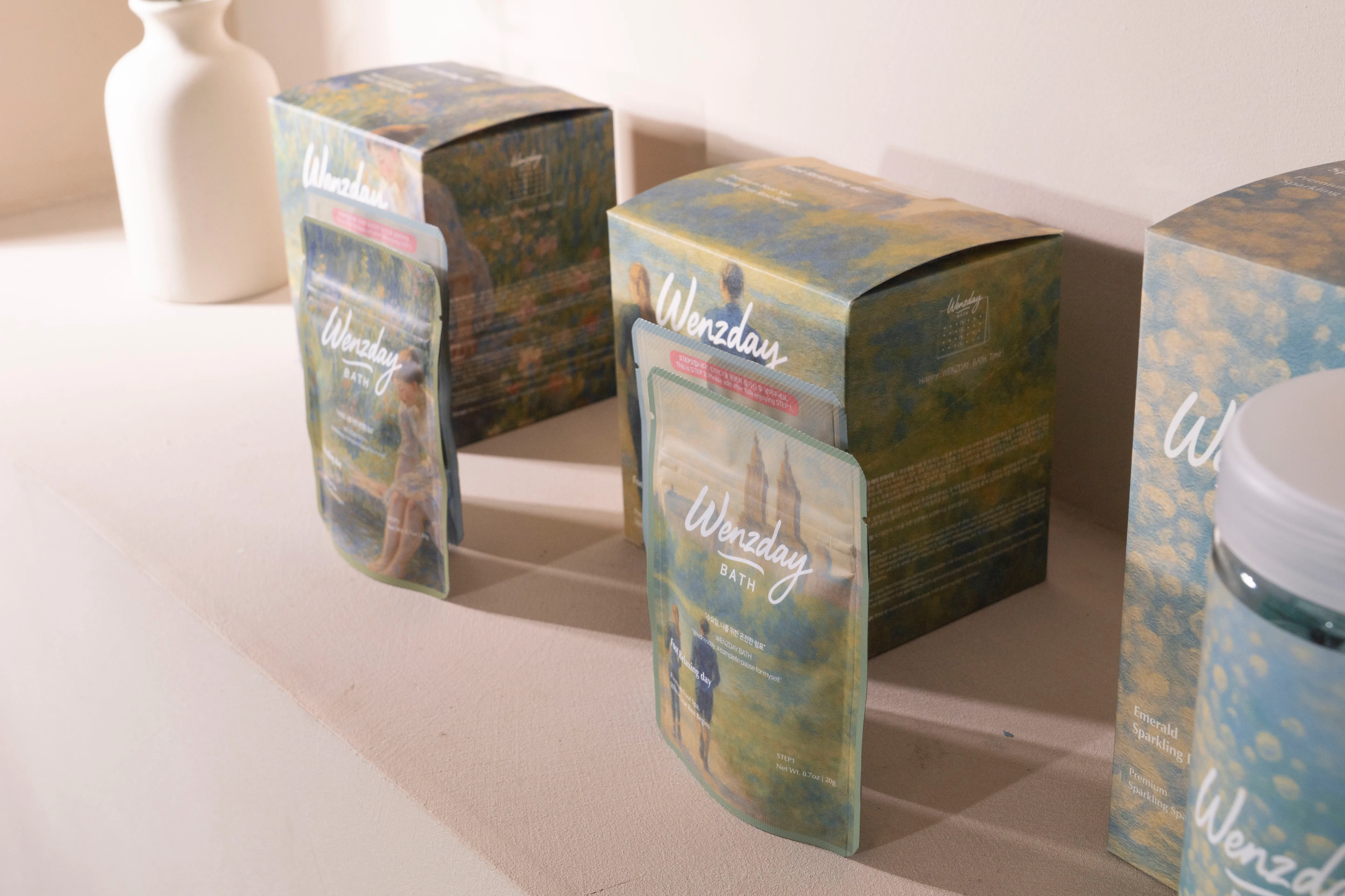
OVER THE WENZDAY takes this approach further with Slush Gel Technology. Instead of dissolving into water and losing heat, the gel maintains warmth for 15+ minutes—twice as long as traditional salts. This extended thermal contact allows herbal extracts more time to work.
At a Glance
| Vinegar Soak | Epsom Salt | K-Herbal Slush Gel | |
|---|---|---|---|
| Odor Control | ✓ Good | Moderate | ✓ Good |
| Antifungal | Mild (prevention only) | No | 16 herbal extracts |
| Warmth Duration | Depends on water | ~5 min | 15+ min |
| Circulation Support | No evidence | Magnesium absorption | 16 herbal extracts |
| Sleep Benefits | No evidence | Temperature-dependent | Extended warmth + herbs |
| Skin Irritation Risk | Higher (acidic) | Low | Low |
| Scientific Backing | Limited | Moderate | Traditional + modern research |
The Bottom Line
DIY remedies are appealing—they’re cheap, accessible, and feel empowering. And vinegar foot soaks aren’t harmful for most people (unless you have sensitive skin).
But if you’re soaking your feet hoping to cure insomnia, detox your lymphatic system, or heal skin problems? You’re likely to be disappointed.
What actually works:
- Warm water at 40°C
- 15-20 minutes of sustained warmth
- Ingredients with documented circulatory benefits
The viral video got one thing right: foot soaks can be genuinely therapeutic. The science just doesn’t support vinegar as the key ingredient.
If you’re going to invest 15 minutes in self-care, why not use something that’s actually been studied? Your feet—and your sleep—will thank you.
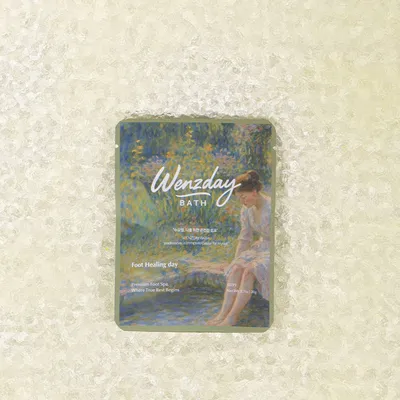
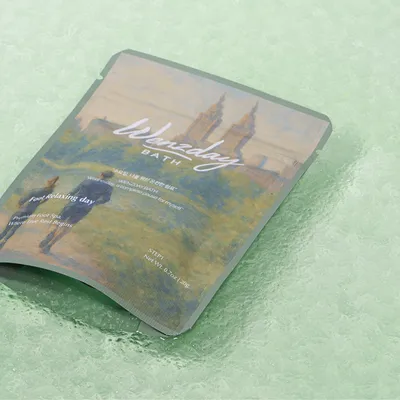
Curious about the Korean herbal approach? Foot Healing Day targets daily fatigue and swelling with MSM and 16 traditional herbs. Foot Relaxing Day combines Epsom salt with the same herbal formula for post-workout recovery.