The Herb Nobody Noticed
A popular Korean folk tale tells of a skilled herbalist in a remote mountain village who left for a house call. While he was gone, patients arrived—many of them. His wife, who knew nothing about medicine, grew anxious as hours passed and her husband didn’t return.
In desperation, she went to the kitchen and found a pile of dried plants set aside as firewood. She chewed on a piece. It was sweet. She thought: “Even if this doesn’t cure anything, at least it won’t harm anyone.”
She sliced the dried roots, wrapped them in medicine packets, and handed them out.
Days later, the patients returned—not to complain, but to give thanks. Stomach problems, coughs, sore throats—all had improved. The herbalist was stunned. He investigated what his wife had given away, and discovered a humble plant with extraordinary power.
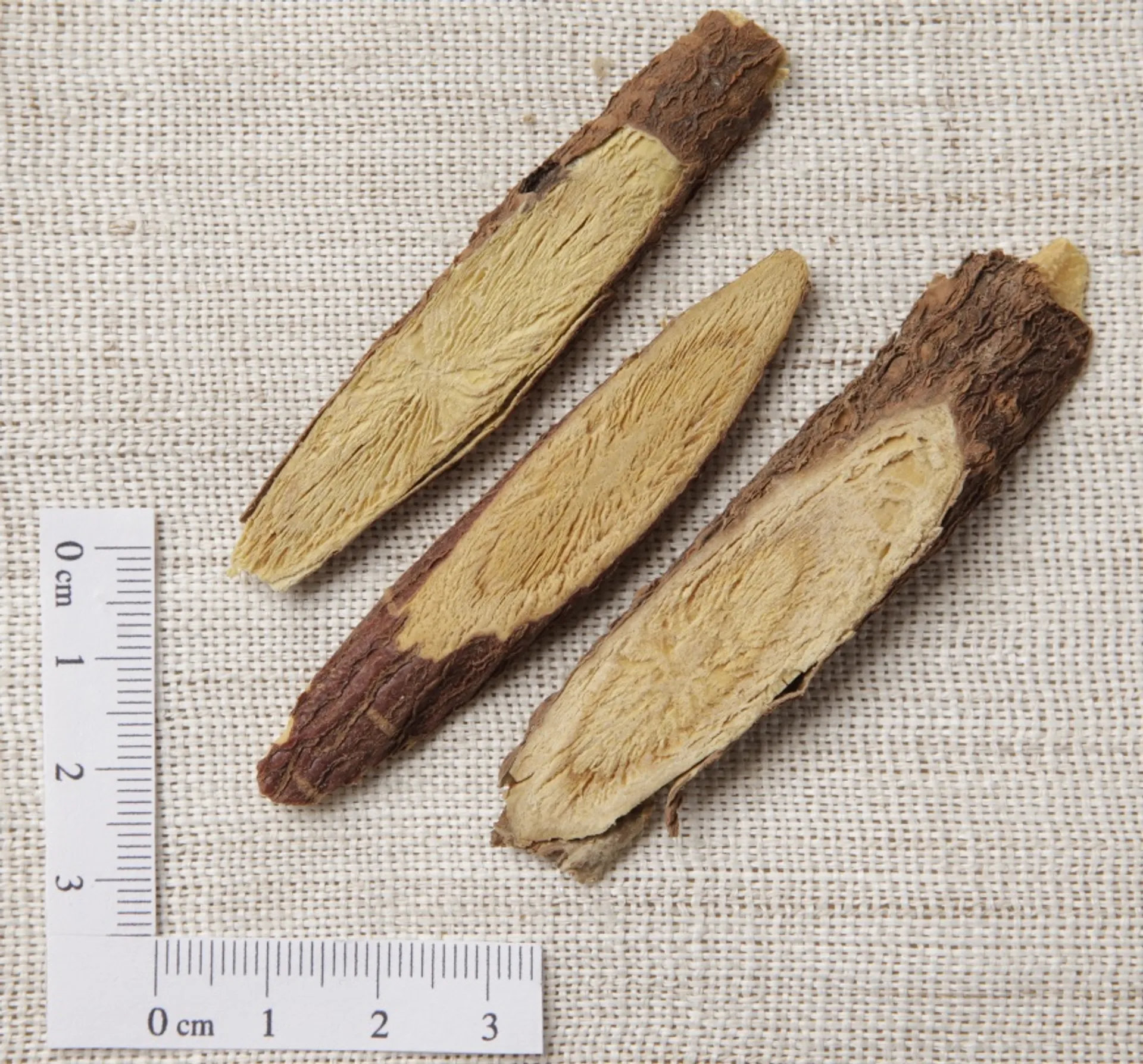
He named it Gamcho (甘草)—“sweet herb.” Today, we call it licorice root.
What is Licorice Root?
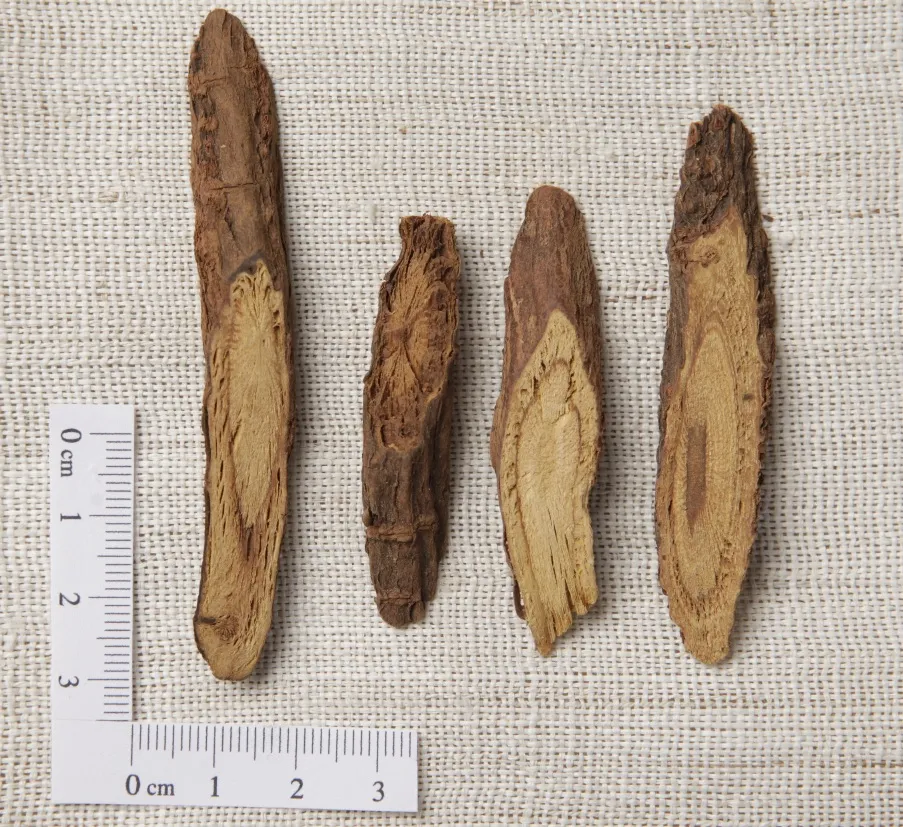
Licorice root (Glycyrrhiza spp.—especially G. uralensis, and in some traditions G. glabra and G. inflata) holds a unique distinction in Korean herbal medicine. In traditional herbal literature, licorice is honored with the title Gukro (國老), meaning “National Elder”—traditionally regarded as the only herb given a title of state, reserved for the most respected advisors to the king.
Why such an honor? Traditional Korean herbal references describe licorice root as a harmonizer of many medicines—often summarized as “harmonizing 72 mineral medicines and 1,200 herbal medicines.” In traditional Korean medicine, there is a saying: 十方九草 (sipbang-gucho)—nine out of ten prescriptions contain licorice.
Not because licorice is the most powerful ingredient. But because it makes every other ingredient work better.
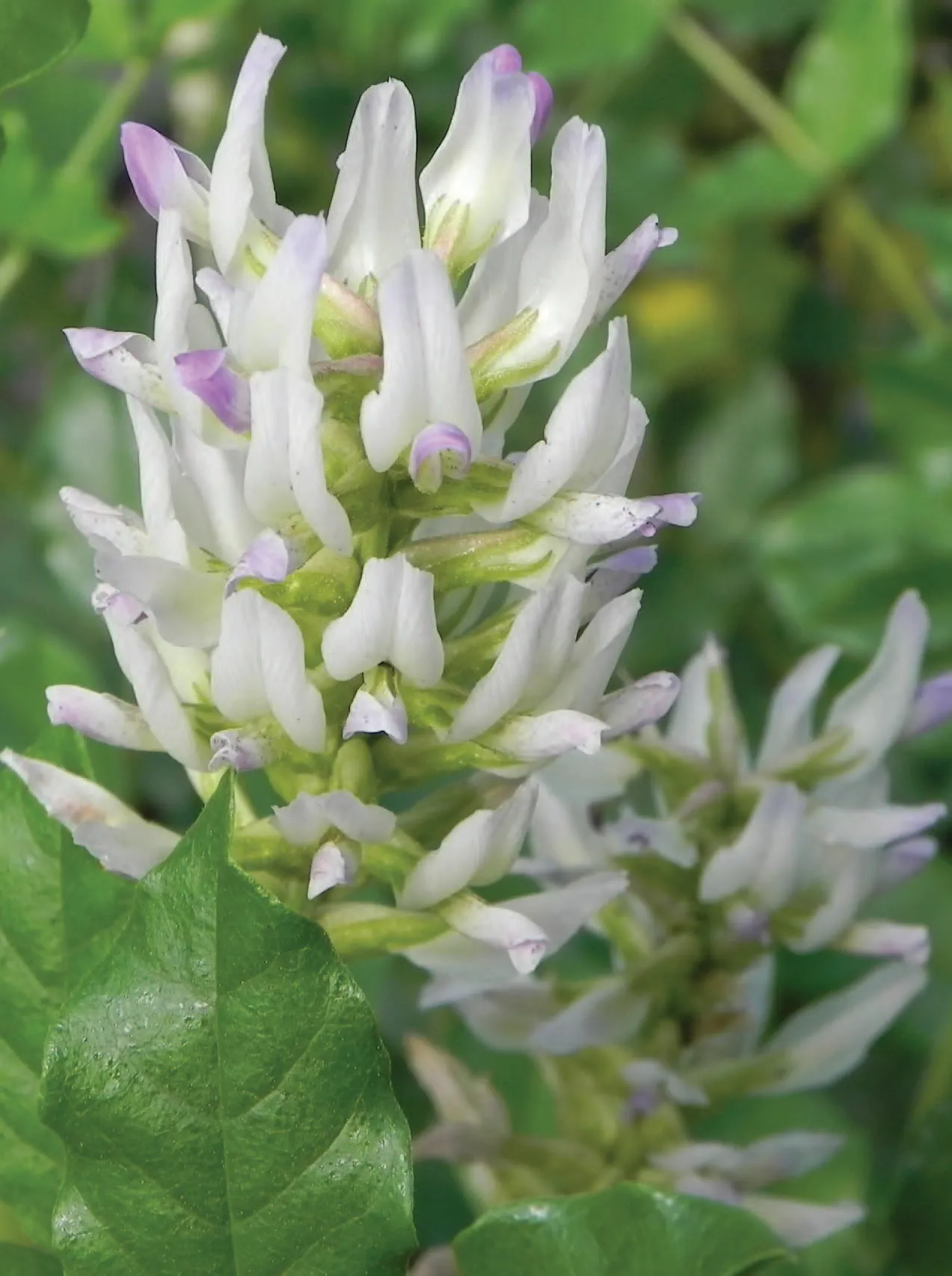
Licorice root is a perennial legume that grows in dry, cool regions across Manchuria, Mongolia, Siberia, and Central Asia. The plant reaches about one meter tall with white-haired stems, but the real value lies underground—in its deep, spreading roots with their distinctive golden-yellow cross-section.
The roots taste remarkably sweet. That sweetness comes from glycyrrhizin, a compound roughly 50 times sweeter than sugar—and the source of licorice root’s most important medicinal properties.
The Science: What Makes Licorice Root Work
Modern research has identified hundreds of phytochemicals in licorice root, including numerous flavonoids and saponins. Three groups of compounds stand out:
Glycyrrhizin — The signature compound. Research shows it modulates inflammatory pathways (including NF-κB), producing effects often compared to cortisol—the body’s own anti-inflammatory hormone. Glycyrrhizin also acts as an amphiphilic saponin with natural surfactant properties, helping other compounds dissolve and work together more effectively in a formula.
Glabridin — A powerful isoflavone with strong antioxidant activity. Studies show it inhibits tyrosinase, the enzyme responsible for melanin production, helping to brighten and even out skin tone.
Licochalcone A — A chalcone compound studied in topical formulations for anti-inflammatory and skin-soothing effects. Research shows licochalcone A–containing formulations can reduce UV-induced redness and improve skin barrier function in conditions like atopic dermatitis.
What Licorice Root Does
Soothes Inflammation – Glycyrrhizin mimics cortisol’s anti-inflammatory action, calming irritated skin and reducing redness. Multiple clinical studies confirm its effectiveness against skin conditions from eczema to rosacea.
Harmonizes Other Herbs – This is licorice root’s signature role. The Donguibogam states it “resolves all medicinal toxicity”—meaning it neutralizes the harsh side effects of stronger herbs while preserving their benefits. In modern terms: it’s a natural buffer and enhancer.
Protects Skin – Glabridin and other flavonoids provide potent antioxidant protection, shielding skin from oxidative stress and supporting natural healing.
Supports Other Ingredients – As an amphiphilic saponin, glycyrrhizin helps other active compounds dissolve and work together. In warm water, prolonged contact with hydrated skin allows the full formula to perform at its best.
Why Licorice Root Belongs in Your Foot Soak
When warming herbs like Cnidium dilate blood vessels and Ginseng boosts circulation, licorice root is the quiet force that ties it all together.
In a warm foot soak, licorice root serves a dual purpose:
It soothes. Tired, stressed feet benefit from glycyrrhizin’s cortisol-like anti-inflammatory action. After a long day of standing or walking, this is the ingredient that calms what’s irritated.
It amplifies. As a natural surfactant, licorice root helps the other 15 herbal extracts in our formula dissolve and make better contact with warm, hydrated skin. It’s the reason those herbs can do their best work.
This is exactly what the Donguibogam meant by “harmonizing”—not just mixing herbs together, but making each one more effective than it would be alone.
OVER THE WENZDAY: Licorice Root in Every Formula
Just as traditional Korean medicine includes licorice root in nearly every prescription, we include it in all of our products:
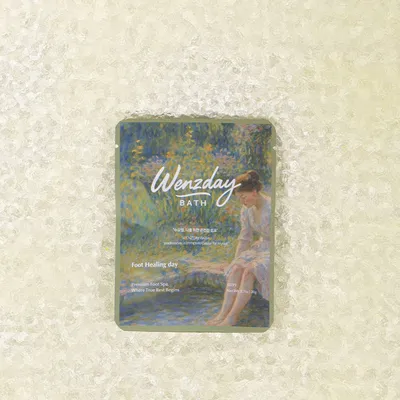
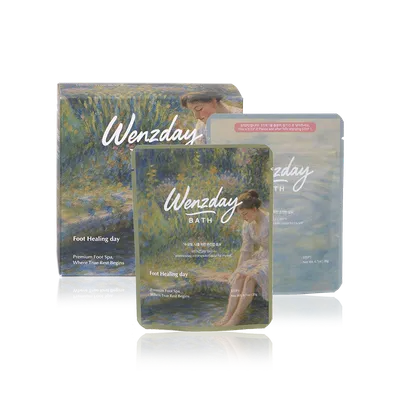
Foot Healing Day
A sunset-colored warm slush gel combining MSM with 16 herbal extracts including licorice root. The gel maintains warmth 2x longer than regular foot soaks, giving the full herbal formula more time to work together on warm, hydrated skin. Ideal for swollen, heavy legs after a long day.
Foot Relaxing Day
A mint-green mineral spa combining Epsom salt with 16 herbal extracts including licorice root. Magnesium relaxes muscles while licorice root soothes and supports the herbal formula—perfect for recovery after exercise or stressful days.
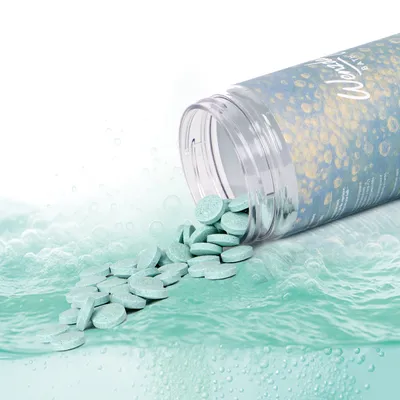
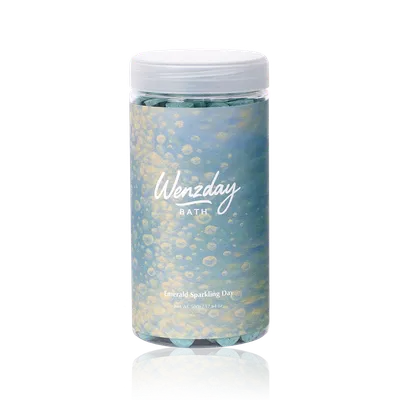
Emerald Sparkling Day
An effervescent bath fizz blending 16 traditional herbal extracts with rich carbonation. Drop a tablet into warm water and experience full-body relaxation as fine bubbles and licorice root’s harmonizing role bring the full formula together.
Note: Oral licorice intake in large amounts can affect blood pressure and potassium levels. Our products use licorice root extract in a topical foot soak formula, which is a different context from dietary consumption.
In Korean, there’s a proverb: “약방의 감초”—licorice in every prescription. It describes something so essential that nothing is complete without it. In our formulas, licorice root plays exactly that role: the quiet harmonizer that makes everything work.